
How to Strengthen Your Arabic
Learning Arabic, like any language, rewards consistency far more than intensity. A student who studies for twenty minutes every day will almost always progress further than one who studies for three hours once a week. If you are working to strengthen your Arabic, the single most useful change you can make is building a small, sustainable daily habit rather than waiting for large blocks of free time that rarely come.
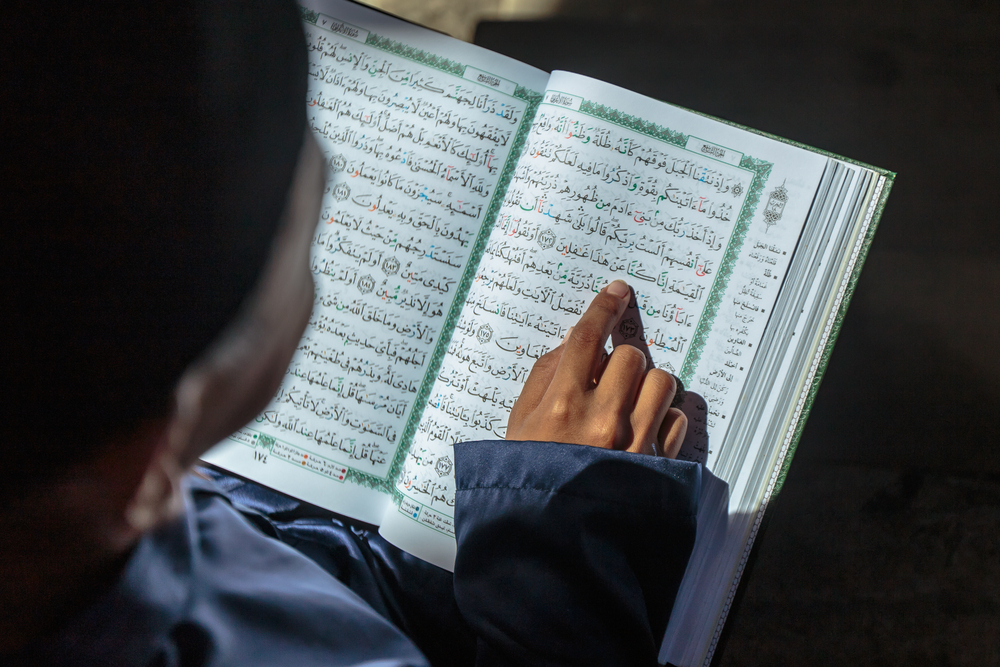
Reading the Quran with a word-by-word translation alongside you is one of the most effective ways to build vocabulary naturally, since the same words and grammatical patterns repeat constantly throughout the text. Rather than memorising word lists in isolation, you begin to recognise words in context, which makes them far easier to retain. Pair this with listening — recitation, lectures, or conversations in Modern Standard Arabic — so your ear becomes familiar with the rhythm and pronunciation of the language, not just its written form.
Speaking is often the part students avoid the longest, usually out of fear of making mistakes. But spoken fluency only develops through actual speaking, even imperfectly. Practising simple conversations with classmates, joining a conversation circle, or even narrating your day out loud in Arabic to yourself can make a noticeable difference over a few months.
Finally, be patient with grammar. Arabic grammar is genuinely systematic once the underlying logic clicks into place, but that click often takes time and repeated exposure. Don't expect to master it from a single explanation — revisit the same rules across different texts, and let your understanding deepen gradually rather than trying to memorise it all at once. Strengthening your Arabic is less about finding a shortcut and more about staying consistent long enough for the language to genuinely become part of how you think.